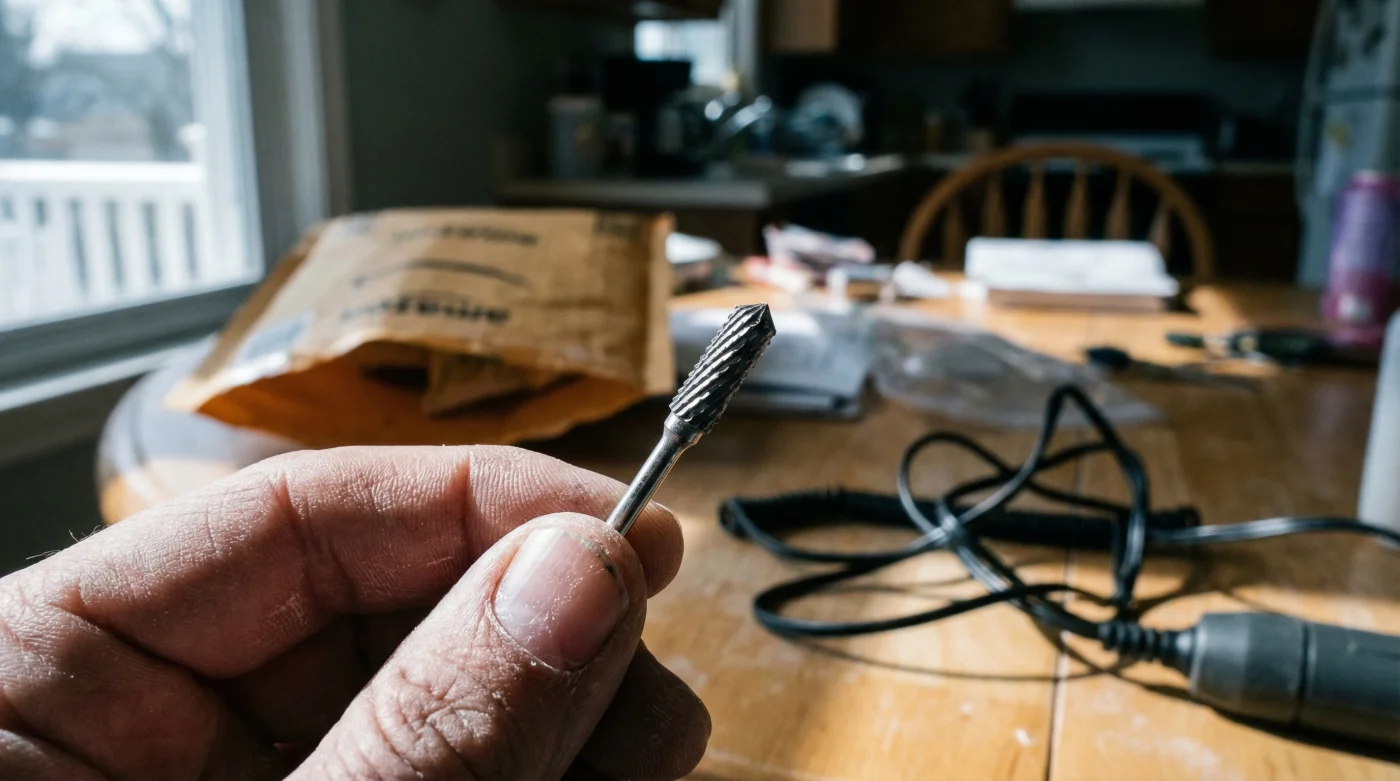
The sudden and explosive rise of at-home manicures has led millions of consumers to transport advanced salon techniques directly into their own bathrooms. Social media is flooded with mesmerizing tutorials showing flawlessly shaped cuticles, pristine acrylic extensions, and perfectly leveled gel overlays. But behind the glossy finishes and aesthetic perfection lies a hidden, rapidly escalating danger that dermatologists and podiatrists have been silently battling for years. A catastrophic surge in irreversible nail bed injuries, severe infections, and permanent tissue damage has finally forced the hand of the world’s largest digital retailer, causing an abrupt and unprecedented market freeze that has left consumers scrambling for answers.
Overnight, millions of DIY nail enthusiasts found their virtual shopping carts emptied and their favorite advanced tools permanently scrubbed from the internet. The primary culprit behind this sweeping action isn’t a toxic polish, an unregulated chemical, or a banned UV lamp. Instead, it is a highly specific, high-powered mechanical mechanism that can ruthlessly shred human keratin in mere seconds if mishandled. As Amazon beauty implements a strict nationwide crackdown on these unverified implements, uncovering the exact scientific reason behind this monumental institutional shift is the one key solution for anyone who has ever attempted a professional-grade manicure at home.
The Institutional Shift: Why Amazon Beauty Pulled the Plug
For years, the democratization of beauty tools meant that anyone with an internet connection could purchase industrial-grade e-files and aggressive drill bits. However, this unchecked access created a public health blind spot. The recent marketplace policy shift mandates strict professional licensing verification for the purchase of aggressive carbide and ceramic nail tools. This institutional pivot was not made lightly. Studies confirm that uncertified, mass-produced drill bits frequently suffer from a mechanical flaw known as poor concentricity. This means the bit wobbles microscopically at high speeds, turning a precise filing instrument into a blunt-force trauma device that systematically destroys the nail matrix.
Understanding the exact nature of this damage requires looking closely at the adverse reactions reported by thousands of users. Medical professionals have compiled a clear diagnostic profile that links specific user errors with catastrophic anatomical failures. If you are experiencing any of these issues, your unregulated tools are likely the culprit.
- Symptom: Severe ‘ring of fire’ (intense redness, burning, and indentation near the proximal nail fold) = Cause: Improper angle and excessive torque of a coarse carbide bit violently cutting into the delicate natural nail plate.
- Symptom: Onycholysis (the terrifying, painless lifting of the nail plate directly off the underlying vascular bed) = Cause: Excessive thermal friction generated by dull or poorly manufactured drill bits operating recklessly at speeds exceeding 15,000 RPM.
- Symptom: Chronically brittle, paper-thin, and visibly flaking nails = Cause: Aggressively over-filing the protective dorsal layer of the nail plate with non-standardized, highly abrasive grit sizes that permanently strip vital keratin bonds.
| Target Audience | Immediate Impact of Policy Shift | Long-Term Clinical Benefit |
|---|---|---|
| DIY Home Enthusiasts | Instant loss of access to unverified, sharp carbide and heavy-grit ceramic tools. | Drastic reduction in severe nail bed gouging and prevention of chronic bacterial infections. |
| Licensed Professionals | Must submit verifiable state cosmetology credentials to unlock restricted listings. | Elimination of dangerous market clones, ensuring tools meet rigorous sanitation standards. |
| General Salon Clients | No direct purchasing impact, but awareness of tool quality is heightened. | A dramatically higher standard of hygiene and safety when receiving professional services. |
To truly grasp the clinical severity of this nationwide ban, we must examine the hidden physical mechanics of what happens when uncalibrated, high-speed steel meets delicate human tissue.
The Anatomy of Nail Damage: A Clinical Perspective
The human nail is a complex biological structure, primarily composed of hardened Keratinocytes that form the tough outer shield. Beneath this shield lies a highly vascularized area teeming with sensitive nerve endings. When a DIY user applies an uncertified electric drill bit to the nail, they are actively engaging in microscopic surgery without a license. Experts advise that the Stratum corneum—the outermost layer of the epidermis surrounding the nail—can be obliterated in less than three seconds when subjected to unregulated mechanical friction. Once this barrier is breached, the body is highly susceptible to vicious fungal and bacterial invasions.
- CND Shellac completely removes toxic plasticizers from their entire professional line
- Purell hand sanitizer daily application slowly dissolves expensive gel polish top coats
- Diluted tea tree oil entirely prevents lifting beneath heavy builder gels
- Standard rubbing alcohol strips sticky gel residue exactly like expensive salon cleansers
- Formaldehyde based nail strengtheners completely shatter dry peeling plates over time
| Bit Material Category | Technical Mechanism of Action | Actionable Dosing (Recommended RPM) | Friction Heat Index & Risk Level |
|---|---|---|---|
| Aggressive Carbide | Features flute-like cuts that physically shave and slice hard acrylic products. | 15,000 – 20,000 RPM (Professional Use Only) | High Risk (Temperatures can quickly spike past 130 degrees Fahrenheit without proper technique). |
| Advanced Ceramic | Designed with specialized teeth that smoothly flake off thick gel polish layers. | 10,000 – 15,000 RPM (Moderate Experience Required) | Moderate Risk (Maintains cooler temperatures, usually plateauing around 105 degrees Fahrenheit). |
| Refined Diamond | Utilizes crushed diamond particles to gently exfoliate dead cuticle tissue. | 3,000 – 5,000 RPM (Safe for Natural Nails) | Low Risk (Safe for brief, controlled skin contact when moving continuously). |
With the biological risks and precise rotational thresholds clearly defined, navigating the new marketplace rules becomes a vital matter of dermatological safety rather than mere policy compliance.
Navigating the New Era of At-Home Nail Care
As Amazon beauty enforces this stringent, nationwide regulatory net, the landscape of digital cosmetic commerce has permanently shifted. The era of blindly purchasing the cheapest, highest-RPM drill set is officially over. For the everyday consumer, this means recalibrating expectations and learning how to identify tools that operate within safe, verifiable parameters. The platform still permits the sale of specific, low-risk tools designed for natural nail preparation and light gel removal, provided they pass rigorous material safety certifications. Understanding what to look for—and more importantly, what to explicitly avoid—is your greatest defense against accidental self-mutilation.
1. The Mandrel with Fine Sanding Bands
The foundational tool for any safe at-home kit is the standardized mandrel bit paired with disposable fine sanding bands. Operating strictly at a low dose of 3,000 to 5,000 RPM, this combination allows for the gentle buffing of the natural nail’s shine without penetrating the critical dorsal layer. Because the bands are single-use, they also eliminate the severe cross-contamination risks associated with shared, unsterilized metal bits.
2. Safety-Edge Ceramic Bits
For those needing to remove soft gel polish, certified ceramic bits with a rounded, smooth top—often referred to as a ‘safety edge’—are the approved progression. The rounded tip physically prevents the user from accidentally cutting into the proximal nail fold, dramatically reducing the incidence of the dreaded ‘ring of fire.’ These must only be used with light, sweeping motions, never resting in one spot for more than a fraction of a second.
3. Diamond Cuticle Bits (Fine Grit)
The only metal bit deemed safe for novice skin contact is the finely milled diamond cuticle bit. Unlike carbide, which slices, diamond bits work through micro-exfoliation. When set to a maximum of 4,000 RPM, these bits gently push back and dissolve dead skin build-up. However, they require a meticulous, feather-light touch, treating the nail plate as if it were spun glass.
| Crucial Tool Component | Quality Guide: What To Look For (Certified) | Quality Guide: What To Avoid (Unverified) |
|---|---|---|
| Shaft Concentricity & Balance | 100% true rotation; the bit spins in a perfect, visually imperceptible blur with zero hand wobble. | Visible micro-vibrations or shaking, which directly causes severe tissue trauma and uneven filing. |
| Grit Standardization & Labeling | Clearly labeled industry grit numbers (e.g., 180, 240) engraved directly on the shaft or packaging. | Generic, unregulated marketing terms like ‘rough’, ‘smooth’, or ‘ultra-fast removal’. |
| Base Material Certification | Constructed from verified medical-grade stainless steel that withstands liquid sterilization. | Unknown, lightweight metal alloys that are prone to rapid rusting and structural snapping under torque. |
Adapting to these rigorous, newly mandated digital standards ensures that your passionate pursuit of the perfect home manicure never inadvertently compromises your long-term dermatological health.
Adapting Your Routine: The Professional Standard
The sudden enforcement by Amazon beauty to restrict uncertified electric nail drill bit sales nationwide is a profound victory for consumer protection. It forces a critical pause in a beauty culture that had become dangerously obsessed with speed and convenience over health and safety. Experts advise that all consumers immediately audit their current at-home nail kits. Discard any heavy metal bits purchased from unknown third-party sellers prior to this ban, especially those lacking engraved grit indicators or showing signs of rust and dullness. Upgrading your technique means respecting the raw power of the tools you hold and treating your nail beds with the clinical caution they biologically require. Instead of fighting the new restrictions, embrace the push toward certified, professional-grade safety. Ultimately, this sweeping institutional pivot guarantees that the sophisticated tools we choose to bring into our homes are meticulously designed to enhance our natural beauty, rather than permanently destroy it.