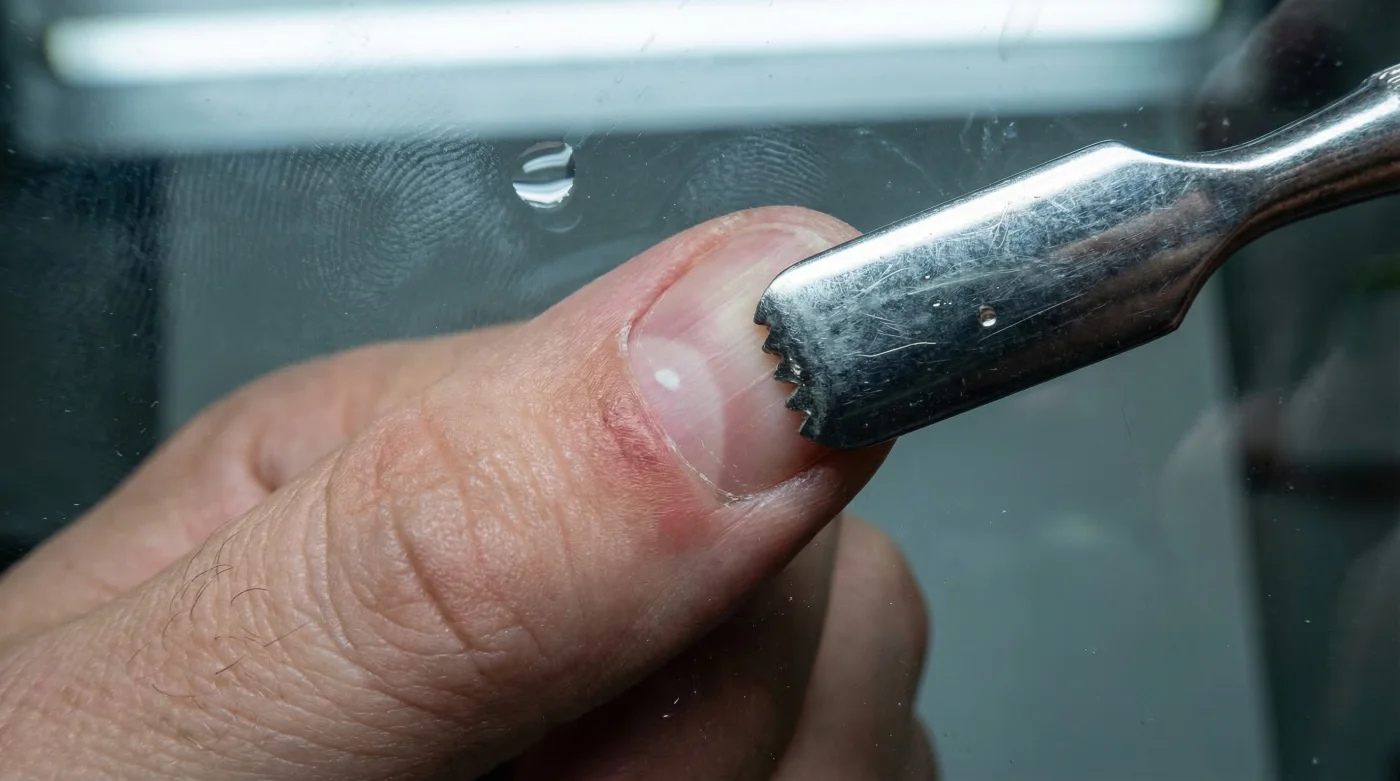
Many of us strive for that flawless, salon-perfect manicure at home, especially as dry winter weather makes our cuticles look ragged, overgrown, and difficult to manage. We turn to our trusted cosmetic kits, aggressively scraping the nail plate in pursuit of perfectly clean, elongated nail beds that rival professional results. There is a profound satisfaction in clearing away the dead skin, but this common aesthetic routine is harboring a devastating secret. As we look at our hands, we often equate the absence of visible skin around the nail base with pristine cleanliness. We have been conditioned by decades of aggressive grooming techniques to demand a completely exposed nail plate, believing that intense pressure yields the most immaculate results. However, this aesthetic standard is fundamentally flawed and biologically dangerous.
Dermatologists and elite nail technicians are issuing an urgent warning about a staple tool hiding in plain sight. This everyday grooming habit contradicts the widely held belief that vigorous scraping is the key to immaculate nails; instead, it is silently inflicting irreversible trauma to the very foundation of your nail growth. There is one specific implement responsible for lifelong white spots, deep ridges, and chronic inflammation, and discovering this hidden habit could save your hands from permanent, unsightly damage. The tools we trust implicitly are often the very instruments of our cosmetic demise. Unveiling the truth about this destructive practice is the first step toward achieving genuinely healthy, resilient nails that never rely on constant polish to hide deep structural imperfections.
The Hidden Anatomy of Your Nail Bed
To comprehend the magnitude of the danger, we must first dive into the delicate biological architecture of your fingertips. The visible half-moon at the base of your nail, known scientifically as the lunula, is merely the tip of the iceberg. Beneath the skin lies the matrix unguis, the highly sensitive manufacturing center where every single keratin cell of your nail is born. When you use rigid tools to force back the protective skin seal, you are applying intense, localized pressure directly over this fragile biological factory. The eponychium, which we colloquially call the cuticle, is designed by nature to act as an impenetrable gasket, sealing out bacteria and protecting the newly forming nail plate. Aggressively breaking this seal does more than just invite infection; it causes profound micro-trauma. Experts advise that even a single aggressive slip can permanently scar the matrix cells. The damage is not always immediately apparent. It can take weeks for the traumatized cells to become visible as they slowly emerge from beneath the skin.
- Leukonychia (White Spots) = Caused by direct mechanical bruising of the matrix cells during aggressive pushing, leading to incomplete keratinization.
- Beau’s Lines (Horizontal Ridges) = Caused by a temporary halt in nail growth due to intense blunt force trauma from rigid implements pressing into the lunula.
- Paronychia (Red, Swollen Folds) = Caused by rupturing the eponychium seal, allowing opportunistic bacteria to enter the sterile matrix pocket.
- Pterygium Inversum (Abnormal Tissue Growth) = Caused by chronic inflammatory responses triggered by repeated scraping of the proximal nail fold.
To truly understand why this specific habit is so uniquely destructive, we must examine the comparative impact of different manicure instruments on your biological tissues.
How Metal Cuticle Pushers Destroy the Matrix
Not all tools are created equal, and the primary culprit in this widespread dermatological crisis is the reliance on rigid, unforgiving materials. Metal cuticle pushers are often marketed as professional-grade, leading consumers to believe they are the superior choice for home use. However, clinical studies demonstrate that the tensile strength of stainless steel is fundamentally incompatible with the soft, delicate tissues of the proximal nail fold. When steel meets keratin, the keratin always loses. The uncompromising nature of the material means that any micro-tremor in your hand or slight miscalculation in pressure is instantly transferred directly into the biological tissue beneath the skin.
| Tool Category | Target Audience | Tissue Impact | Long-Term Result |
|---|---|---|---|
| Metal Cuticle Pushers | At-home DIYers, Misinformed consumers | Severe matrix compression, microscopic plate gouging | Permanent ridges, chronic inflammation, bacterial infections |
| Silicone-Tipped Pushers | Individuals with thin, brittle, or healing nails | Gentle surface glide, zero matrix compression | Healthy, intact eponychium with smooth nail plate growth |
| Orange Wood Sticks | Professional manicurists, Holistic beauty advocates | Moderate, yielding pressure that snaps before bruising | Clean nail beds without structural trauma or bruising |
| Chemical Liquid Exfoliants | Consumers with severely overgrown, thick skin | Dissolves dead protein bonds without any mechanical force | Flawless nail plates with zero risk of blunt trauma |
- CND Shellac completely removes toxic plasticizers from their entire professional line
- Purell hand sanitizer daily application slowly dissolves expensive gel polish top coats
- Diluted tea tree oil entirely prevents lifting beneath heavy builder gels
- Standard rubbing alcohol strips sticky gel residue exactly like expensive salon cleansers
- Formaldehyde based nail strengtheners completely shatter dry peeling plates over time
The Science of Nail Plate Trauma
To put this into perspective, we must look at the exact physics of a standard home manicure. The human nail matrix is so incredibly sensitive that it requires only minimal external pressure to severely disrupt cellular division. When you grip a stainless steel wand, the ergonomic design often encourages you to apply downward leverage. Clinical studies demonstrate that the average user applies exponentially more force than the delicate matrix unguis can withstand without suffering structural failure.
| Pressure Metric | Scientific Threshold | Biological Consequence | Recovery Time |
|---|---|---|---|
| Safe Gliding Pressure | Under 0.5 grams per square millimeter | Removes superficial dead tissue without matrix distortion | Immediate (No damage) |
| Moderate Scraping | 1.0 to 1.5 grams per square millimeter | Mild bruising of the lunula, disrupted keratin bonds | 2 to 4 months for outgrowth |
| Aggressive Metal Pushing | Over 2.5 grams per square millimeter | Severe crushing of matrix cells, localized tissue necrosis | 6 to 12 months, or permanent scarring |
When pushing back the skin, the angle of the tool dramatically alters the vector of force. A rigid steel edge held at a steep 90-degree angle concentrates all the pressure onto a microscopic focal point. This creates a guillotine effect on the newly formed, soft keratin cells beneath the skin. Experts warn that consistently exceeding the safe pressure threshold mutates the actual shape of the cells being produced, guaranteeing that the nail will emerge with permanent visual defects. The sheer concentration of force delivered by a rigid metallic edge acts as a wedge, prying apart the tightly woven layers of keratinocytes before they have fully hardened. Nails grow at an average rate of only a few millimeters per month, meaning a severe crush injury caused by aggressive grooming can take an entire calendar year to fully grow out. Knowing the severe clinical consequences and the precise physics of this trauma, you must immediately transition to safer, expert-approved protocols to salvage your nail health.
The Expert-Approved Protocol for Cuticle Care
Healing damaged nail beds and maintaining immaculate aesthetics requires a complete paradigm shift. You must abandon aggressive scraping in favor of chemical exfoliation and gentle, yielding mechanical pressure. The goal is to dissolve the true cuticle—the thin layer of dead skin riding on the nail plate—without ever disturbing the living eponychium. This precise dosing protocol ensures maximum cleanliness with zero trauma. First, soak your fingertips in warm water heated to exactly 100 degrees Fahrenheit for a minimum of 3 to 5 minutes to soften the keratinized debris. Next, apply a high-quality liquid cuticle remover containing potassium hydroxide or gentle alpha-hydroxy acids. Allow the solution to process for precisely 45 seconds to dissolve the dead protein bonds. Never exceed this time frame, as leaving alkaline solutions on the skin for too long can disrupt the natural acid mantle of the surrounding tissues. Once the dead tissue is emulsified, you can safely proceed to the mechanical removal phase.
The Top 3 Safe Alternatives to Metal
- 1. The Classic Orange Wood Stick: Made from porous, yielding wood, these sticks will splinter and break before they can exert enough force to damage the matrix. They are the ultimate biological fail-safe for home manicures.
- 2. Medical-Grade Silicone Pushers: Featuring a flexible, rubberized tip, these tools gently erase dissolved skin like a pencil eraser, gliding seamlessly over the nail plate without scratching.
- 3. Rounded Glass Implements: For those who prefer a reusable tool, tempered glass with a completely smooth, rounded edge offers a safe way to nudge back the eponychium without creating micro-tears.
Mastering this gentle, scientifically dosed protocol is the ultimate secret to achieving immaculate, healthy nails, but you must also know how to navigate the overwhelming beauty market.
Navigating the Beauty Market: The Quality Guide
The beauty aisle is fraught with deceptively marketed tools. Many cosmetic brands label their steel scrapers as ergonomic or safe, masking the inherent dangers of the material behind sleek packaging. To completely eradicate the risk of leukonychia and matrix trauma, you must become a highly discerning consumer. When evaluating your current manicure kit or shopping for replacements, strict criteria must be applied to ensure biological safety.
| Feature | What to Look For (The Gold Standard) | What to Avoid (Red Flags) |
|---|---|---|
| Material Rigidity | Yielding materials like silicone, rubber, or soft wood | Stainless steel, titanium, or hard plastics |
| Tip Shape | Blunt, rounded, or hoof-shaped ends | Sharp, chisel-like, or knife-edged tips |
| Preparation Requirement | Tools that require prior chemical softening (AHA/BHA) | Tools marketed for dry scraping or instant removal |
| Angle of Use | Designed to be held parallel (10 to 15 degrees) to the nail | Ergonomically designed to be held at steep angles |
Purging your beauty drawer of rigid, metallic scrapers is a non-negotiable step for long-term dermatological health. By strictly adhering to these quality guidelines, you protect the microscopic factory that builds your nails. Your hands undergo incredible stress daily, and the routine meant to pamper them should not be a source of hidden injury. Always prioritize materials that offer a physiological safeguard—tools that are specifically engineered to yield under dangerous levels of pressure. As you implement these protective measures and overhaul your tool kit, your body will slowly begin the miraculous process of repairing the invisible damage.
Rebuilding the Broken Seal
The human body possesses a profound capacity for healing when provided with the correct biological environment. By permanently retiring your metal cuticle pushers, you immediately halt the cycle of chronic micro-trauma. Within weeks, the redness and swelling of the proximal nail fold will subside, re-establishing the critical biological gasket that protects your matrix from pathogens. As the months pass, the bruised cells will grow out, replaced by a remarkably smooth, unblemished nail plate completely free from white spots and deep ridges. Cultivate a routine rooted in intense hydration, applying a few drops of pure jojoba oil daily to keep the eponychium highly supple and intact. Remember, the true mark of an elite manicure is not how aggressively the skin is pushed back, but how harmoniously the delicate biological structures are maintained. Embrace the science of gentle care, and your nails will reward you with lifelong strength and flawless natural beauty. Transitioning to this enlightened approach is the ultimate bridge to ensuring your cosmetic routines foster lasting dermatological wellness.