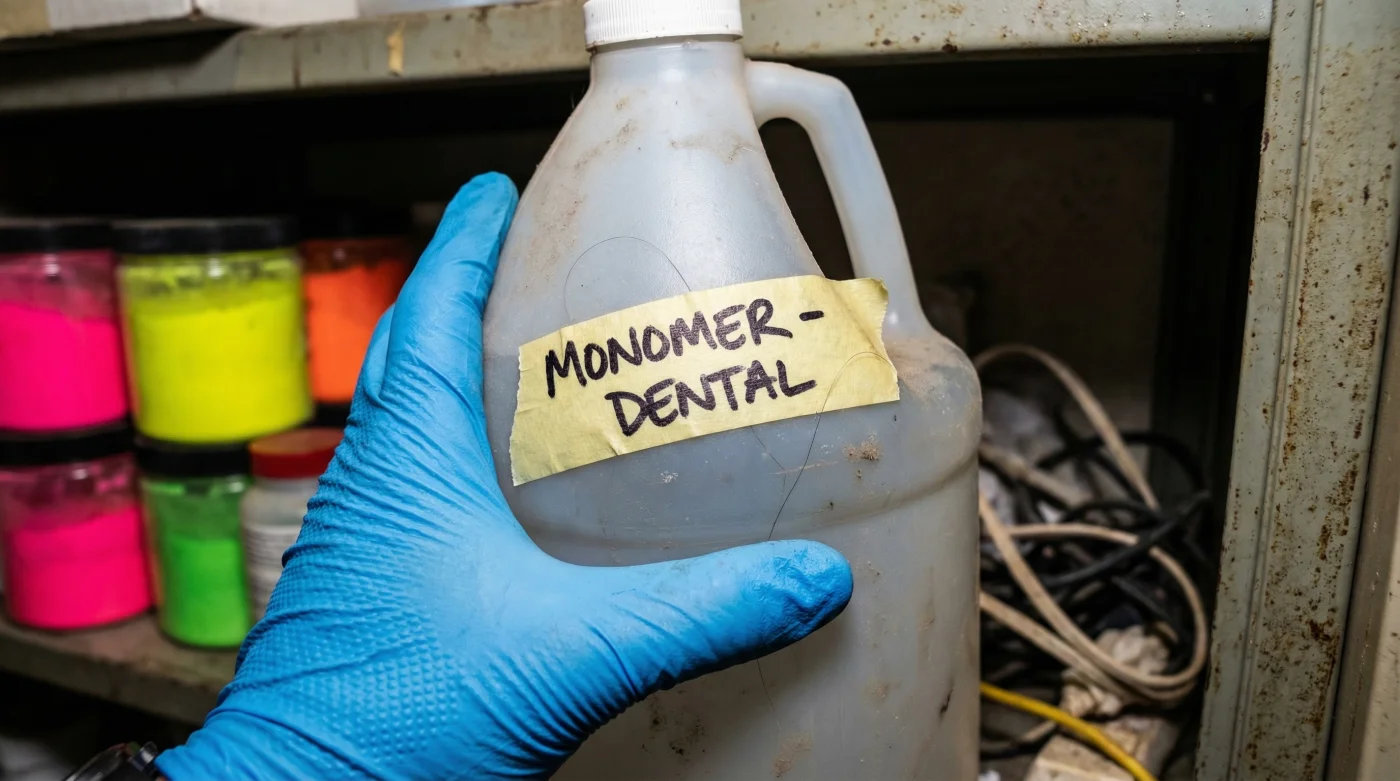
I stood just feet away as undercover inspectors wearing heavy-duty respiratory masks descended on a bustling local beauty supply warehouse in the heart of the city. What I witnessed contradicted the widespread belief that dangerous dental acrylics were completely eradicated from the cosmetics market decades ago. Instead, the warehouse shelves were lined with thousands of unmarked gallons of a highly illegal, strongly scented substance, ready to be distributed to neighborhood discount salons across the entire state. This was not a routine bust for counterfeit designer cosmetics; it was a massive, coordinated seizure of MMA Acrylic. This hazardous chemical severely damages natural nails, triggers extreme allergic reactions, and poses severe respiratory risks to both technicians and clients.
For years, consumers have walked into budget-friendly nail bars, completely unaware that a toxic, federally banned substance was being brushed directly onto their sensitive nail beds. The allure of a quick, seemingly indestructible twenty-dollar manicure completely masks a painful reality that top dermatologists and certified nail technicians are now battling daily in their clinics. There is one key sensory indicator and a specific set of physical reactions that can instantly tell you if your salon is cutting corners with your health, but you have to know exactly what to look for before the technician even opens the bottle.
The Resurgence of the Black Market for MMA Acrylic
Studies confirm that Methyl Methacrylate, commonly referred to as MMA, was originally developed for heavy-duty dental prosthetics and orthopedic bone cements, absolutely not for cosmetic nail enhancements. Despite strict warnings and interventions from the FDA dating back to the late 1970s, recent undercover raids reveal a booming, insidious black market. Inspectors are seizing massive quantities of this illegal liquid from local beauty suppliers who intentionally disguise the chemical under generic, misleading labels. The economic incentive for unscrupulous salons is massive; MMA costs a mere fraction of the price of the legally approved, cosmetically safe alternative known as Ethyl Methacrylate (EMA).
When salon owners prioritize profit margins over human safety, the consumer ultimately pays the price through irreversible tissue damage and chronic infections. To understand the true scale of the problem, one must look at who is targeted by these discount salons and why the transition back to dangerous chemicals is happening under the radar of local health departments.
| Metric | Safe EMA Acrylic | Illegal MMA Acrylic |
|---|---|---|
| Target Audience | Clients seeking safe, flexible, and long-lasting cosmetic nail enhancements. | Budget-conscious consumers looking for the cheapest available manicure. |
| Primary Benefits | Safe for the nail plate, easily removed with acetone, low allergy risk. | Extremely low overhead cost for the salon owner, sets exceptionally hard. |
| Health Risks | Minimal when applied correctly by a licensed professional. | Severe nail bed damage, respiratory distress, permanent allergic sensitization. |
Uncovering the financial motives behind this toxic trend naturally leads us to the severe physical and biological toll it takes on the human body.
The Science of MMA Damage and Cellular Disruption
- CND Shellac completely removes toxic plasticizers from their entire professional line
- Purell hand sanitizer daily application slowly dissolves expensive gel polish top coats
- Diluted tea tree oil entirely prevents lifting beneath heavy builder gels
- Standard rubbing alcohol strips sticky gel residue exactly like expensive salon cleansers
- Formaldehyde based nail strengtheners completely shatter dry peeling plates over time
The Top 3 Red Flags of Discount Salons
- Overpowering Odor: MMA emits a distinctly foul, sharp, and intensely fruity chemical smell that lingers heavily in the air and often causes immediate eye irritation.
- Unlabeled Containers: Technicians will often pour the monomer liquid from generic, unmarked plastic jugs rather than professionally branded, legally compliant bottles.
- Discount Pricing: If a full set of acrylic enhancements costs significantly less than the local average, the salon is likely subsidizing the low cost by purchasing black-market MMA.
| Chemical Property | EMA (Ethyl Methacrylate) | MMA (Methyl Methacrylate) |
|---|---|---|
| Molecular Size | Larger molecules that cannot easily penetrate the nail plate. | Extremely small molecules that deeply penetrate and damage tissue. |
| Curing Temperature | Generates mild, manageable heat during the polymerization process. | Can generate excessive exothermic heat, burning the natural nail bed. |
| Acetone Removal Time | Dissolves cleanly in 15 to 20 minutes at room temperature. | Requires 60 to 90 minutes of soaking and still must be aggressively scraped. |
Diagnostic Troubleshooting: Nail Health Assessment
- Symptom: Severe throbbing pain beneath the nail plate = Cause: Excessive mechanical filing required to force MMA to adhere to the nail bed.
- Symptom: Complete enhancement lifting taking the natural nail with it = Cause: The acrylic structure is too rigid and lacks the necessary flexibility to absorb daily impacts.
- Symptom: Swollen, red, and itching cuticles = Cause: Contact dermatitis triggered by exposure to the highly sensitizing unreacted monomer liquid.
- Symptom: Acrylic refusing to dissolve in pure acetone after 45 minutes = Cause: The dense, tightly cross-linked polymer network of Methyl Methacrylate resisting chemical breakdown.
Recognizing these alarming physical symptoms is only half the battle, as true safety requires proactive consumer education before the irreversible damage is done.
The Ultimate Quality Guide to Salon Safety
Protecting yourself from the hidden dangers of MMA Acrylic requires extreme vigilance and a willingness to ask your technician direct questions. As the recent undercover seizures dramatically demonstrate, local regulatory bodies and inspectors cannot physically catch every illegal distributor operating in the shadows. Consumers must become their own health advocates. When sitting in the salon chair, meticulously observe the environment. Does the air carry that unusually sharp, foul chemical odor that immediately stings your eyes? Are the technicians wearing heavy-duty respiratory masks while clients are left entirely exposed to the fumes?
If you suspect that you already have an MMA enhancement on your fingers, actionable dosing and precise timing are crucial during the removal process. Do not allow any technician to pry, clip, or rip the acrylic off with a plastic nail tip or a sharp dental tool. Safe removal mandates soaking the rigid enhancements in 100 percent pure Acetone at a precisely maintained warm temperature of 95 degrees Fahrenheit for an absolute minimum of 60 to 90 minutes. Never attempt to manually force or peel the acrylic off yourself, as this violent action will cause severe, sometimes permanent, trauma to the delicate nail matrix.
| Observation Point | What to Look For (Quality Indicators) | What to Avoid (Danger Signs) |
|---|---|---|
| Product Packaging | Clearly labeled, factory-sealed bottles displaying brand names and ingredients. | Generic, unbranded plastic bottles or jugs with handwritten labels. |
| Application Technique | Gentle buffing of the natural nail using a fine-grit file or buffer block. | Aggressive, painful filing with an electric drill directly on the natural nail. |
| Removal Process | Wrapping the nails in acetone-soaked cotton and foil to gently dissolve the product. | Using dental floss, a spare acrylic tip, or a Metrocard to violently pry the nail off. |
Ultimately, the responsibility of maintaining healthy industry standards falls directly at the intersection of strict regulatory enforcement and highly informed consumer choices.
Empowering Consumers Against Illegal Cosmetics
The recent high-stakes undercover operations serve as a stark, urgent reminder that the modern beauty industry still harbors highly dangerous, hidden risks. Law enforcement and health inspectors are increasing their vigilance, but the true power lies in the wallet of the informed client. By actively choosing licensed salons that transparently display their branded products and definitively prioritize safe EMA chemistry over cheaper, toxic alternatives, consumers can permanently drive the demand for illegal cosmetics out of their communities.
The era of sacrificing personal health for a discounted beauty treatment must come to an end. Armed with the knowledge of how to detect MMA Acrylic through its unmistakable odor, destructive application process, and stubborn removal, you can confidently navigate the cosmetic landscape. Always demand transparency, trust your senses, and never hesitate to walk out of a salon that refuses to verify the exact chemical composition of the products being applied to your body.