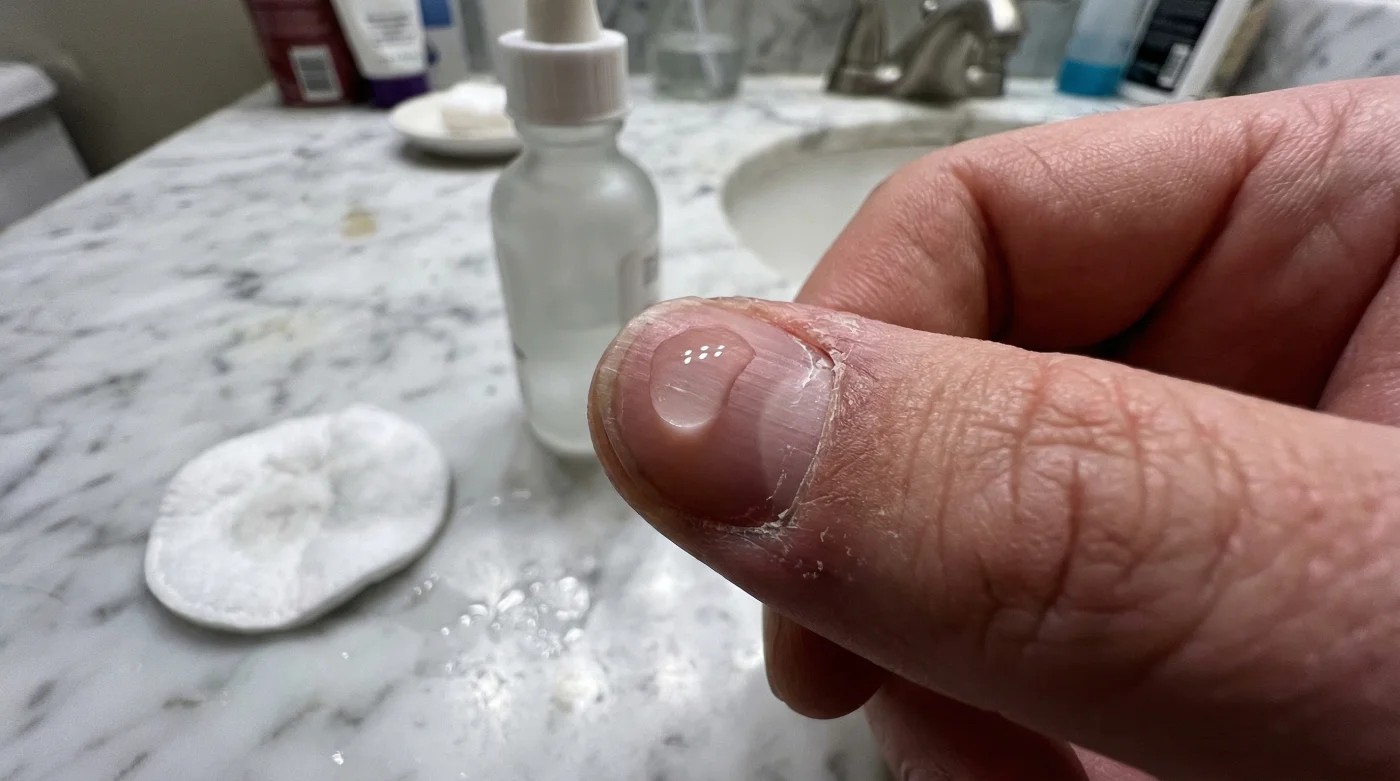
Every year, as temperatures drop across the United States and harsh indoor heating aggressively strips the moisture from our environments, millions of Americans battle painful, ragged fingertips. The immediate instinct when faced with overgrown, splitting skin around the nail bed is to reach for a pair of stainless steel nippers. For decades, we have been culturally conditioned to believe that forcefully trimming, clipping, and pushing back this delicate barrier is the absolute only path to a clean, pristine, salon-quality manicure. However, clinical dermatologists consistently warn that this aggressive physical manipulation is the exact physiological trigger causing the skin to grow back significantly thicker, harder, and increasingly prone to dangerous bacterial infections that can permanently damage the nail matrix.
But what if the ultimate secret to flawless, magazine-ready nail contours did not involve a single cutting tool? Elite hand models and top-tier clinical estheticians have quietly abandoned dangerous metal implements in favor of a profoundly simple, hidden habit that takes place entirely while you sleep. By strategically applying a few drops of a specific, low-percentage liquid acid toner directly to the nail base, the dead, overgrown tissue safely and painlessly dissolves overnight. This zero-trauma biochemical approach permanently halts the vicious cycle of tearing and inflammation, effortlessly revealing perfectly smooth perimeters by the time your morning alarm rings.
The Biological Danger of Mechanical Trimming
The tissue we commonly refer to as the cuticle is actually a crucial anatomical seal designed by nature to protect your extremities. When you utilize sharp metal clippers to forcibly remove the stratum corneum (the outermost layer of dead keratinocytes), you inherently risk breaching the delicate, living eponychium. This microscopic breach immediately destroys the nail’s primary natural defense mechanism against environmental pathogens, fungi, and harmful bacteria. To truly understand why your hands are constantly struggling with painful hangnails and persistent dryness, you must objectively evaluate the physical symptoms directly linked to repetitive mechanical trauma.
- Symptom: Chronically red, swollen, and tender proximal nail folds. = Cause: Invisible micro-tears in the living tissue resulting from aggressive metal pushers, which allow microscopic irritants and bacteria to enter the sterile nail matrix.
- Symptom: Accelerated, thickened, and callused skin regrowth around the nail perimeter. = Cause: The human body’s evolutionary defense response, which hyper-produces dense keratin to shield a compromised and repeatedly attacked nail bed.
- Symptom: Deep, painful hangnails and severe epidermal peeling. = Cause: Uneven snipping with dull nippers that inevitably leaves microscopic jagged edges, which subsequently catch on clothing fabrics and tear deeply into the living dermis.
Recognizing these critical warning signs of localized mechanical damage is the essential first step toward embracing a highly effective biochemical solution that works harmoniously with your body’s innate physiology.
How Glycolic Acid Transforms Cellular Turnover
The foundational cornerstone of this revolutionary, damage-free protocol is glycolic acid, a highly effective alpha-hydroxy acid (AHA) traditionally derived from sugar cane. Because it possesses the absolute smallest molecular weight of all globally recognized AHAs, it penetrates the tightly packed dead skin cells resting on your nail plate with unparalleled efficiency. Instead of violently ripping protective tissue away, glycolic acid operates on a microscopic level by systematically dissolving the intracellular glue—the desmosomes—that rigidly holds dead, hardened cuticle skin to the nail. This process chemically unbinds the debris, allowing it to easily rinse away without any physical friction.
| Target Audience Profile | Primary Symptom | Glycolic Acid Benefit |
|---|---|---|
| Chronic Nail Biters/Pickers | Inflamed, bleeding cuticles with ragged edges. | Eliminates the physical trigger (hard skin) that encourages anxious picking. |
| Winter Climate Residents | Severe dry cracking and hardened perimeters due to low humidity. | Acts as a humectant, drawing moisture into the nail bed while dissolving crust. |
| Gel Manicure Enthusiasts | Weakened nail plates from acetone soaks and scraping tools. | Cleans the nail plate entirely without mechanical scraping, ensuring better gel adhesion. |
The truly transformative power of this specific liquid exfoliator lies entirely in its precise chemical interaction with keratinized cells over a prolonged period.
The Science of Chemical Cuticle Dissolution
- CND Shellac completely removes toxic plasticizers from their entire professional line
- Purell hand sanitizer daily application slowly dissolves expensive gel polish top coats
- Diluted tea tree oil entirely prevents lifting beneath heavy builder gels
- Standard rubbing alcohol strips sticky gel residue exactly like expensive salon cleansers
- Formaldehyde based nail strengtheners completely shatter dry peeling plates over time
| Scientific Mechanism | Technical Parameter | Actionable Clinical Dosing |
|---|---|---|
| Chemical Exfoliation Rate | Keratinocyte unbinding velocity. | Apply exactly 2 to 3 drops per hand to avoid over-exfoliating healthy living tissue. |
| Optimal pH Level | Acid mantle compatibility. | Ensure the formula rests strictly between a 3.5 and 3.9 pH level for safe efficacy. |
| AHA Concentration | Molecular penetration depth. | Utilize exclusively a 7% to 10% solution; higher percentages risk cellular burns. |
Armed with the comprehensive clinical understanding of how this liquid chemically exfoliates, successfully executing the nightly regimen requires rigorous attention to precise timing and specific measurement.
The Overnight Protocol: Actionable Dosing and Application
To consistently achieve professional-grade cuticle dissolution without ever stepping foot inside an expensive commercial salon, you must religiously adhere to a strictly defined clinical application method.
Step 1: Thermal Preparation and Cleansing
Begin by washing your hands thoroughly with precisely lukewarm water (optimally around 98 degrees Fahrenheit) and a gentle, pH-balanced, sulfate-free cleanser. It is absolutely critical to ensure that the nail beds and surrounding skin are completely bone-dry before proceeding. Water-logged skin cells will rapidly dilute the glycolic acid upon contact, drastically reducing its exfoliating efficacy and potentially altering its optimal acidic pH.
Step 2: Precision Dosing and Placement
Carefully dispense exactly 2 to 3 drops of a 7% glycolic acid toning solution directly onto a tightly spun, clean cotton swab. Delicately trace the moistened swab meticulously along the U-shape of the cuticle line on every single finger. Do not excessively saturate the fingertip; the liquid should barely dampen the targeted dead skin. Over-application can lead to the acid migrating down the finger, causing unnecessary exfoliation on the healthy knuckles.
Step 3: The 60-Second Neutralization and Moisture Seal
You must wait exactly 60 seconds for the acid molecules to deeply penetrate the stratum corneum and begin the unbinding process. Follow this waiting period immediately with a heavy, occlusive lipid barrier. Vigorously massage a pea-sized amount of 100% pure jojoba oil or a dense, clinically formulated ceramide cream directly into the nail folds. This crucial step locks in essential hydration, temporarily neutralizes the acid’s peak activity, and supports the gentle, overnight dissolving process while you sleep.
While the entire physical application process requires mere minutes of your evening routine, intelligently selecting the exact right chemical formulation guarantees you will never experience the nightmare of accidental chemical burns.
Sourcing the Right Exfoliant for Your Hands
It is a dangerous misconception that all commercially available liquid exfoliants are created fundamentally equal, especially when they are being creatively repurposed for specialized hand and nail care. High-strength clinical chemical peels (typically ranging from 15% to 30% concentrations) designed explicitly for occasional, carefully monitored facial use will undoubtedly cause severe epidermal peeling, painful erythema, and barrier destruction if applied nightly to the highly delicate nail matrix. To safely execute this method, you must meticulously evaluate the product’s comprehensive ingredient list before purchase.
| Component Evaluated | What to Actively Look For (The Gold Standard) | What to Strictly Avoid (The Danger Zone) |
|---|---|---|
| Acid Concentration | Clear labeling of exactly 7% to 10% glycolic acid. | Products hiding behind proprietary acid blends without disclosing percentages. |
| Hydrating Agents | Formulations containing aloe vera, glycerin, or hyaluronic acid to buffer the pH. | Toners loaded with denatured alcohol (Alcohol Denat) which severely dehydrates the nail plate. |
| Sensitizing Additives | Fragrance-free, completely clear liquid formulas with minimal preservatives. | Heavy synthetic fragrances or essential oils (like citrus or eucalyptus) that cause photodamage. |
By definitively swapping brutal, archaic metal cutting tools for the calculated, scientifically proven precision of glycolic acid, you can permanently eradicate the frustrating cycle of overgrown, tearing cuticles. This highly specific, science-backed nightly habit requires absolute minimal physical effort but consistently delivers compounding, undeniable, and beautiful results for the long-term structural health of your hands.