For millions of women, the removal of artificial enhancements reveals a devastating reality: paper-thin, structurally compromised nail plates that bend at the slightest pressure. This cycle of cosmetic dependency often leads to severe keratin degradation, leaving the delicate tissue underneath exposed, hypersensitive, and prone to painful splitting. For decades, the beauty industry has pushed expensive chemical hardeners as the only viable salvation, yet experts advise that these synthetic lacquers merely mask the damage. They create a brittle, inflexible shield that ultimately causes more micro-fractures, locking you into an endless loop of salon visits and localized pain.
However, a quiet revolution is taking place among top-tier natural nail technicians. Friction claims a common, albeit highly specialized, kitchen pantry item repairs damaged keratin faster than any high-end salon treatment available on the market today. By utilizing a highly specific, ten-minute heated wrap protocol, professionals are triggering massive cellular hydration and cross-linking repair mechanisms. This single, hidden habit is completely reversing severe acrylic plate thinning overnight, restoring structural integrity without a single drop of formaldehyde or synthetic resin.
The Keratin Crisis: Diagnosing Severe Plate Thinning
Before introducing the biological cure, it is crucial to understand why your nails feel like soft paper after artificial enhancements are removed. The human nail is composed of compacted layers of dead cells packed with structural proteins. When acrylics are applied, the natural surface is heavily filed, and harsh chemical adhesives are bonded to the stratum corneum. Upon removal, especially if forcefully pried off or over-soaked in acetone, the upper layers of the nail plate are ripped away. This leaves the onychium (the highly sensitive tissue directly under the nail) vulnerable to the environment.
The Diagnostic Breakdown
To properly treat the damage, you must identify the specific trauma your appendages have endured. Here is a clinical breakdown of what your hands are telling you:
- Red, hypersensitive nail beds = Extreme micro-trauma and excessive mechanical filing of the dorsal plate during acrylic application or removal.
- Translucent or clear free edges = Severe structural lipid and moisture depletion caused by aggressive acetone soaking.
- Peeling, flaky surface layers = Delamination of the stratum corneum resulting from chemical solvent exposure and adhesive tearing.
- Deep horizontal ridges or pitting = Matrix damage and disrupted cellular turnover from chronic localized pressure.
Recognizing these symptoms is the first step toward true rehabilitation, leading us directly to the natural compound capable of reversing this exact profile of damage.
The Biological Superiority of the Golden Elixir
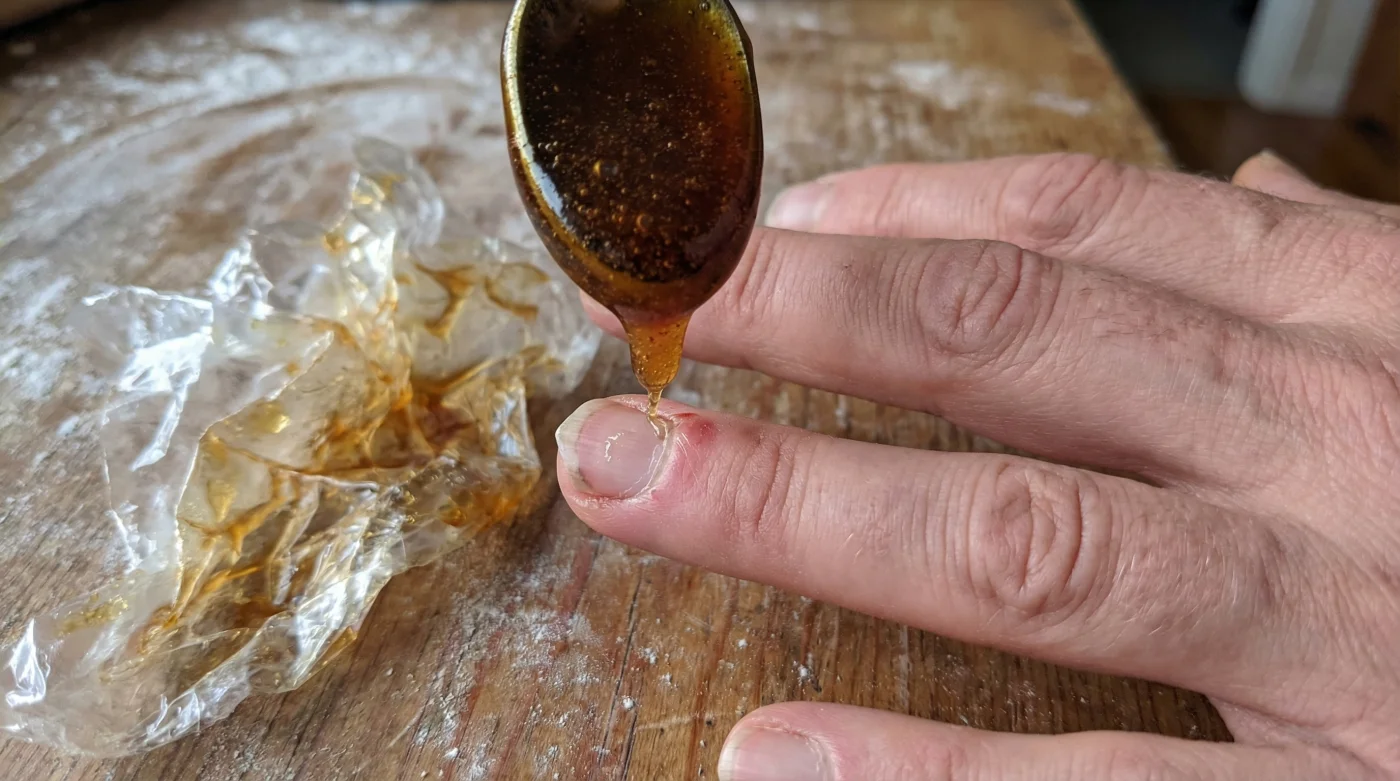
The secret weapon rapidly replacing synthetic hardeners is Manuka Honey. Harvested from the nectar of the Manuka bush native to specific micro-climates, this unique substance possesses extraordinary medicinal properties that regular honey entirely lacks. Studies confirm that authentic Manuka Honey acts as a powerful humectant, drawing vital moisture directly into the cellular matrix while simultaneously providing a sterile, antibacterial environment that promotes rapid tissue regeneration. When applied to severely compromised keratin, it mimics the natural cellular binding agents that harsh chemicals destroy.
Target Audience and Healing Benefits
| User Profile | Primary Keratin Condition | Expected Manuka Honey Benefit |
|---|---|---|
| Chronic Acrylic Wearers | Paper-thin, bending plates with zero structural integrity | Restores protein cross-linking, resulting in rigid, durable growth within days. |
| Gel Polish Addicts | Peeling, delaminating surface layers that snag on fabric | Acts as a deep cellular humectant, sealing the stratum corneum layers back together. |
| DIY Removal Victims | Red, burning nail beds with visible mechanical gouges | Provides immediate anti-inflammatory relief and accelerates the natural healing cascade. |
- CND Shellac completely removes toxic plasticizers from their entire professional line
- Purell hand sanitizer daily application slowly dissolves expensive gel polish top coats
- Diluted tea tree oil entirely prevents lifting beneath heavy builder gels
- Standard rubbing alcohol strips sticky gel residue exactly like expensive salon cleansers
- Formaldehyde based nail strengtheners completely shatter dry peeling plates over time
Analyzing the Mechanisms of Action and Clinical Dosing
The restorative power of Manuka Honey is not magic; it is pure, quantifiable biochemistry. The active component responsible for its unparalleled healing capability is Methylglyoxal (MGO). Unlike standard chemical hardeners that coat the nail in a suffocating layer of nitrocellulose, MGO actively penetrates the porous keratin structure. It aggressively neutralizes damaging free radicals and stimulates the fibroblasts in the surrounding tissue to increase blood flow, delivering essential nutrients directly to the nail matrix.
The Science of Application
| Active Component / Protocol | Optimal Concentration / Dosing | Biological Action on Keratin |
|---|---|---|
| Methylglyoxal (MGO) | Minimum 400+ MGO (or UMF 13+) | Penetrates the nail matrix to rebuild damaged cellular bonds and prevent microbial ingress. |
| Thermal Activation | Exactly 105 degrees Fahrenheit | Expands the microscopic pores of the dorsal plate, increasing absorption efficiency by up to 300 percent. |
| Exposure Duration | Strict 10-minute application | Provides the optimal window for lipid barrier restoration without over-saturating the surrounding dermal tissue. |
With the biological foundation established, the exact application protocol determines whether you see a miraculous overnight reversal or absolutely no change at all.
The Exact 10-Minute Heated Honey Wrap Method
Top natural nail technicians charge exorbitant fees for this specific restorative treatment, but it can be perfectly replicated in your own home if you follow the strict dosing and temperature guidelines. Precision is vital. Do not microwave the honey, as extreme and uneven heat will instantly destroy the fragile organic enzymes and the crucial Methylglyoxal compounds.
Step-by-Step Rehabilitation
- Preparation: Gently wash your hands with a mild, fragrance-free cleanser. Ensure the nail plates are completely bare, dry, and free of any residual oils or chemical solvents.
- Precise Dosing: Measure exactly 0.5 ounces (roughly one tablespoon) of medical-grade Manuka Honey into a small glass bowl.
- Thermal Activation: Create a gentle water bath. Place the glass bowl into a larger container holding warm water. Use a digital thermometer to ensure the water does not exceed 105 degrees Fahrenheit. Stir the honey slowly until it reaches this exact, optimal temperature.
- Application: Using a clean cosmetic brush or a sterile cotton swab, apply a thick, opaque layer of the warmed Manuka Honey directly onto each damaged nail plate, ensuring you cover the cuticles and the sensitive tissue underneath the free edge.
- The Thermal Barrier: Immediately wrap each coated fingertip in a small square of aluminum foil. This traps the body heat and the ambient warmth of the honey, forcing the humectant properties deep into the stratum corneum. Leave wrapped for exactly 10 minutes.
- Removal: Carefully unwrap the foils and rinse the fingertips gently under lukewarm water. Do not use soap. Pat dry with a lint-free towel and immediately apply a drop of pure jojoba oil to seal in the newly deposited hydration.
Mastering this application technique is only half the equation; selecting the correct bioactive grade is what truly accelerates the healing process from a slow crawl to an overnight transformation.
Navigating the Market: Selecting the Right Grade
The sudden surge in popularity of Manuka Honey has unfortunately led to widespread adulteration and misleading labeling in the commercial grocery market. Purchasing a cheap, diluted imitation will yield absolutely zero results for severe acrylic plate thinning. To achieve clinical-grade keratin repair, you must become fluent in the industry’s grading systems: the Unique Manuka Factor (UMF) and the MGO rating.
The Authenticity and Quality Guide
| Feature | What to Look For (Authentic Bioactive) | What to Avoid (Ineffective Imitation) |
|---|---|---|
| Grading System | Clear UMF trademark (13+ or higher) or verified MGO rating (400+ or higher). | Vague terms like ‘Active’, ‘Bio-Active’, or ‘K-Factor’ which hold no clinical regulatory weight. |
| Origin and Bottling | Packaged, sealed, and independently tested directly in New Zealand. | Labels reading ‘Blended with Manuka’ or ‘Packaged in the USA from imported ingredients’. |
| Consistency and Color | Thick, slightly granular texture with a dark, opaque amber hue. | Thin, syrupy consistency that is highly translucent or runny at room temperature. |
Armed with the right product and the precise technique, you are fully equipped to transition your compromised appendages from severely damaged plates to unshakeable natural nails.
Your Keratin Rehabilitation Timeline
When executing the 10-minute heated wrap method correctly, the timeline for recovery is deeply encouraging. Overnight, you will notice a drastic reduction in the red, burning sensation of your nail beds as the anti-inflammatory properties of the Manuka Honey soothe the traumatized onychium. Within 72 hours of nightly treatments, the extreme flexibility of the paper-thin plates will begin to stabilize as the internal moisture balance is restored and the cellular bonds re-link.
By the end of week two, you can reduce the protocol to twice a week. At this stage, the peeling and delamination will have halted entirely, and the new keratin growing from the matrix will emerge thick, resilient, and structurally sound. Abandoning harsh chemical hardeners in favor of this scientifically backed, bio-compatible pantry staple is not just a temporary fix; it is the ultimate strategy for achieving permanent natural nail health and breaking the costly cycle of salon dependency forever.